Orientation
Botswana is sold as the Okavango, which is like selling Italy as Venice
There are four distinct safari regions here, and the differences between them are larger than the differences between many whole countries. Water against sand; elephant against desert species; a flood that arrives in the dry season.
The four
Four regions, four quite different weeks
Each with a season that suits it, and at least one thing the others cannot do.
The Okavango Delta
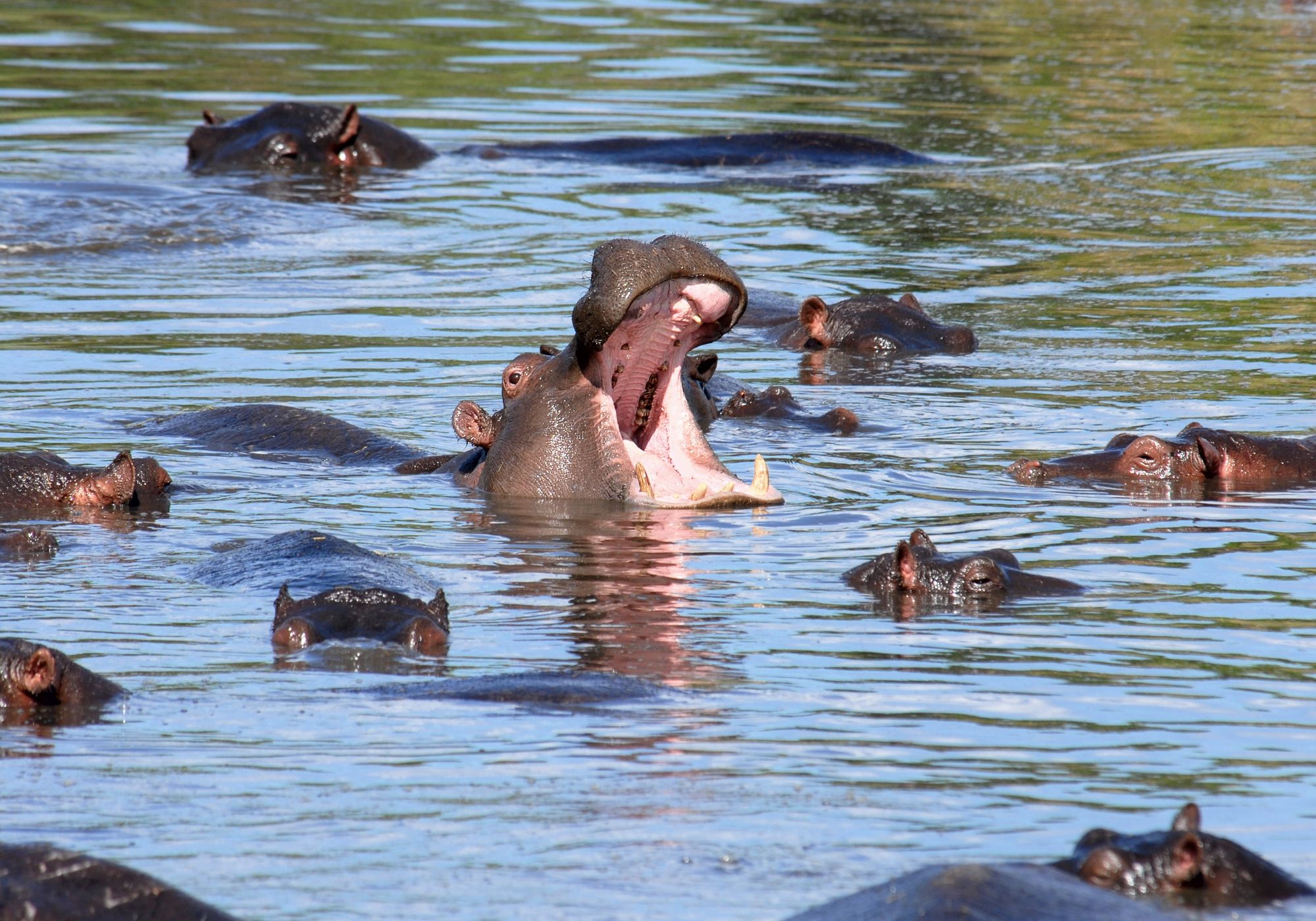
A river that never reaches the sea. Channels, floodplains and islands — and camps that divide into water camps, land camps and both.
Water or land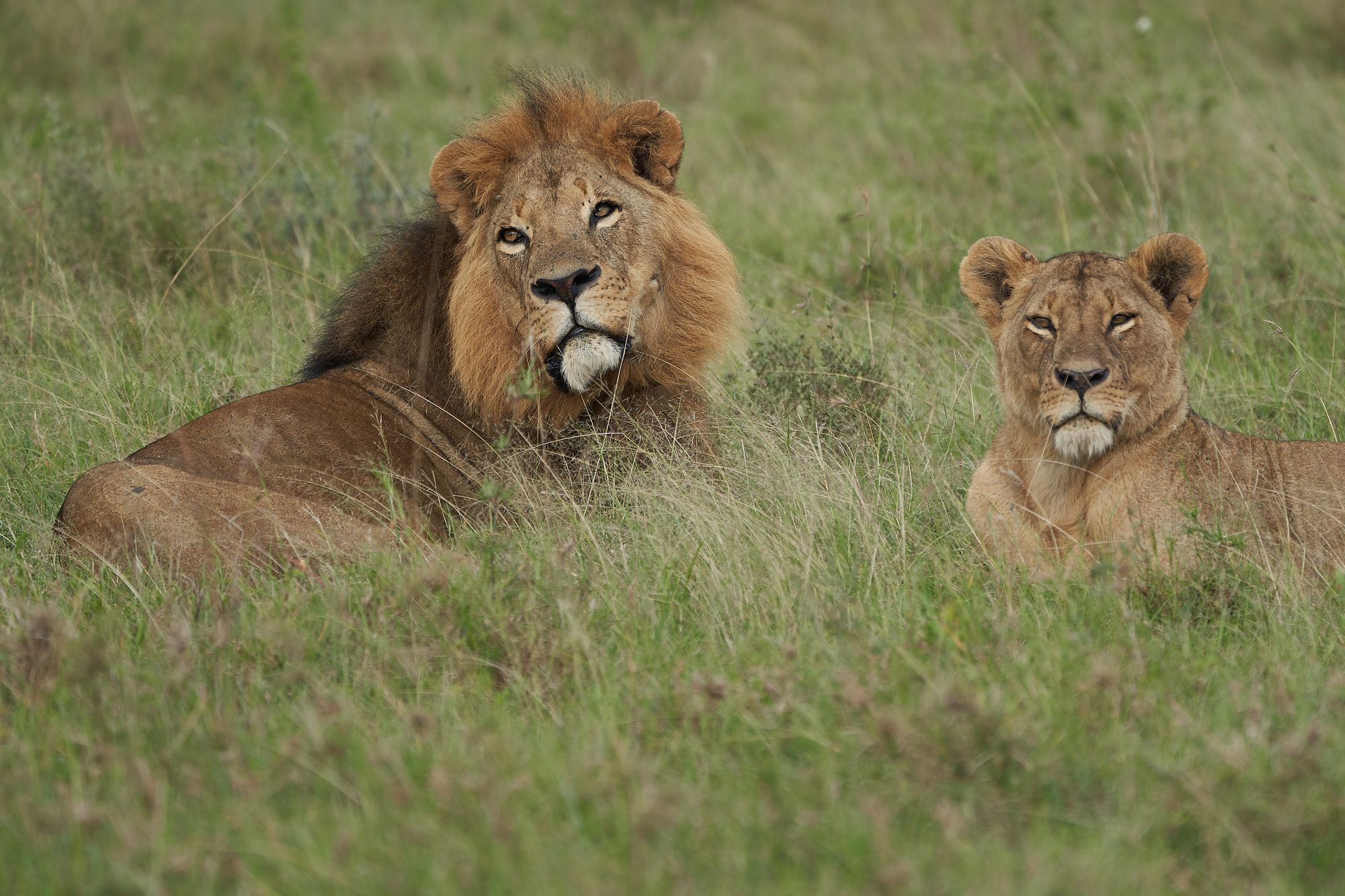
The Linyanti and Selinda
Where Botswana feels emptiest. Private concessions, very few camps, strong predators and dry-season elephant along the water.
The quiet corner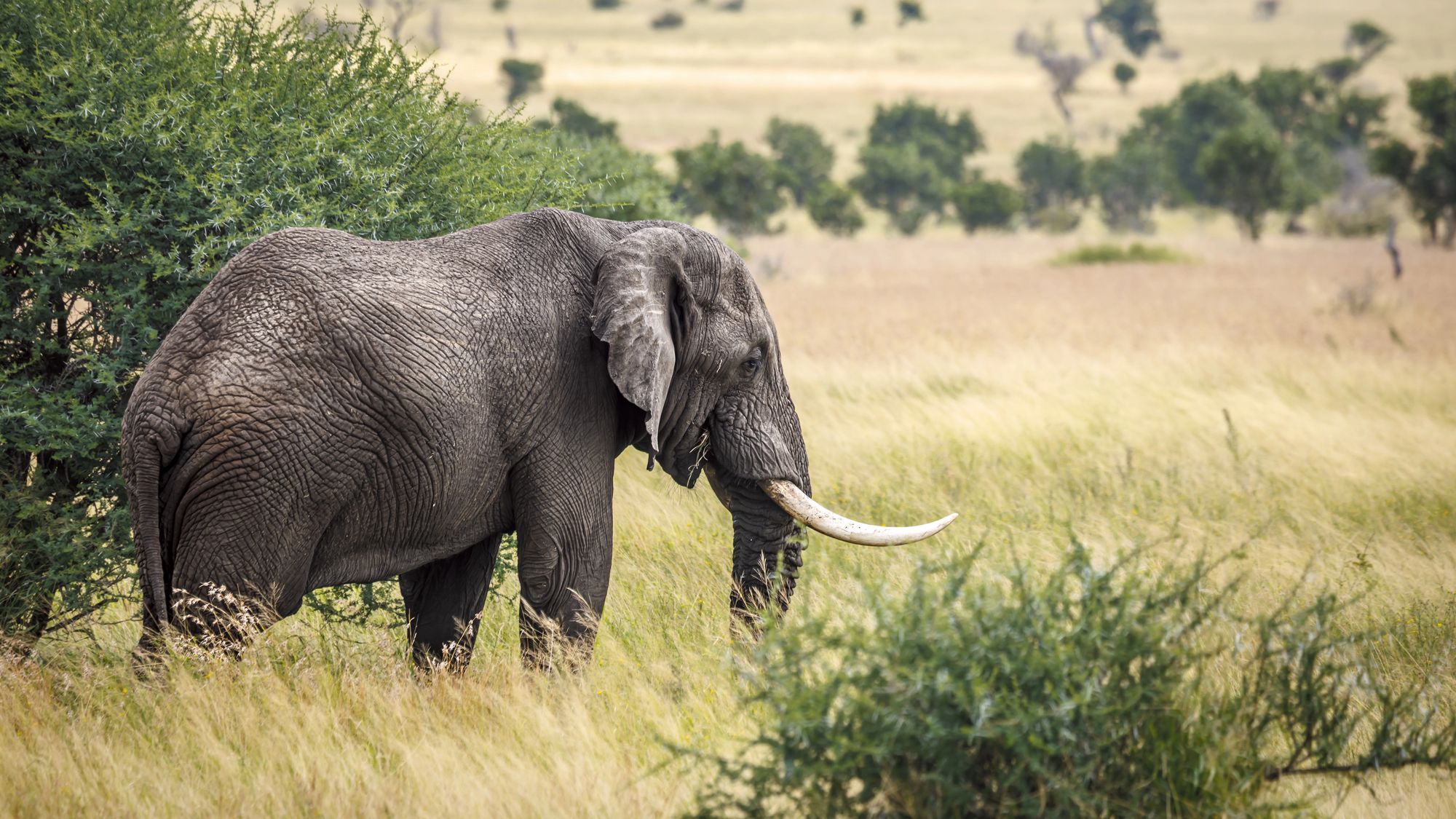
Chobe
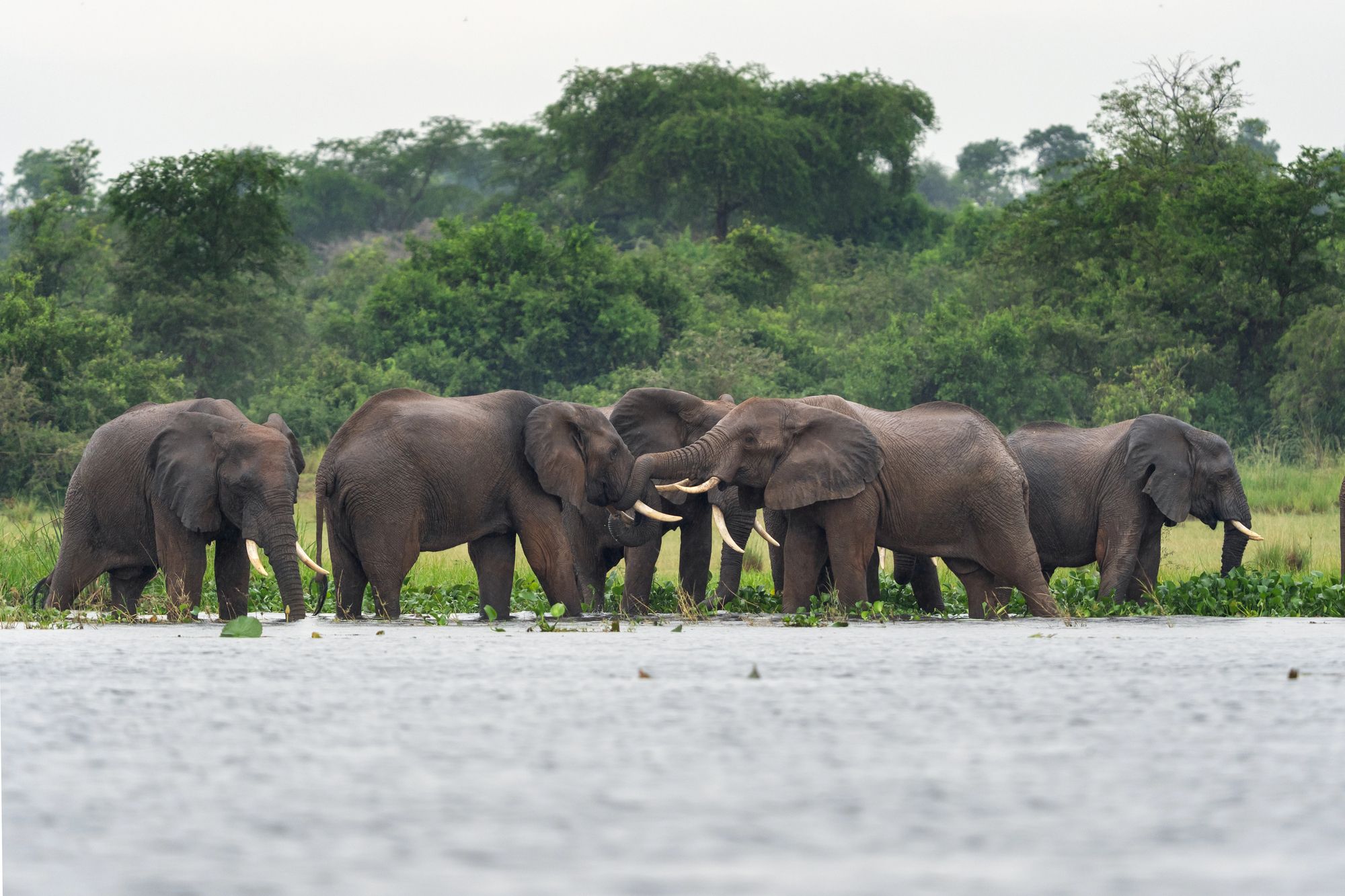
One of Africa’s great elephant regions, and the most accessible part of the country. Also the busiest, and a national park with statutory rules.
What to expect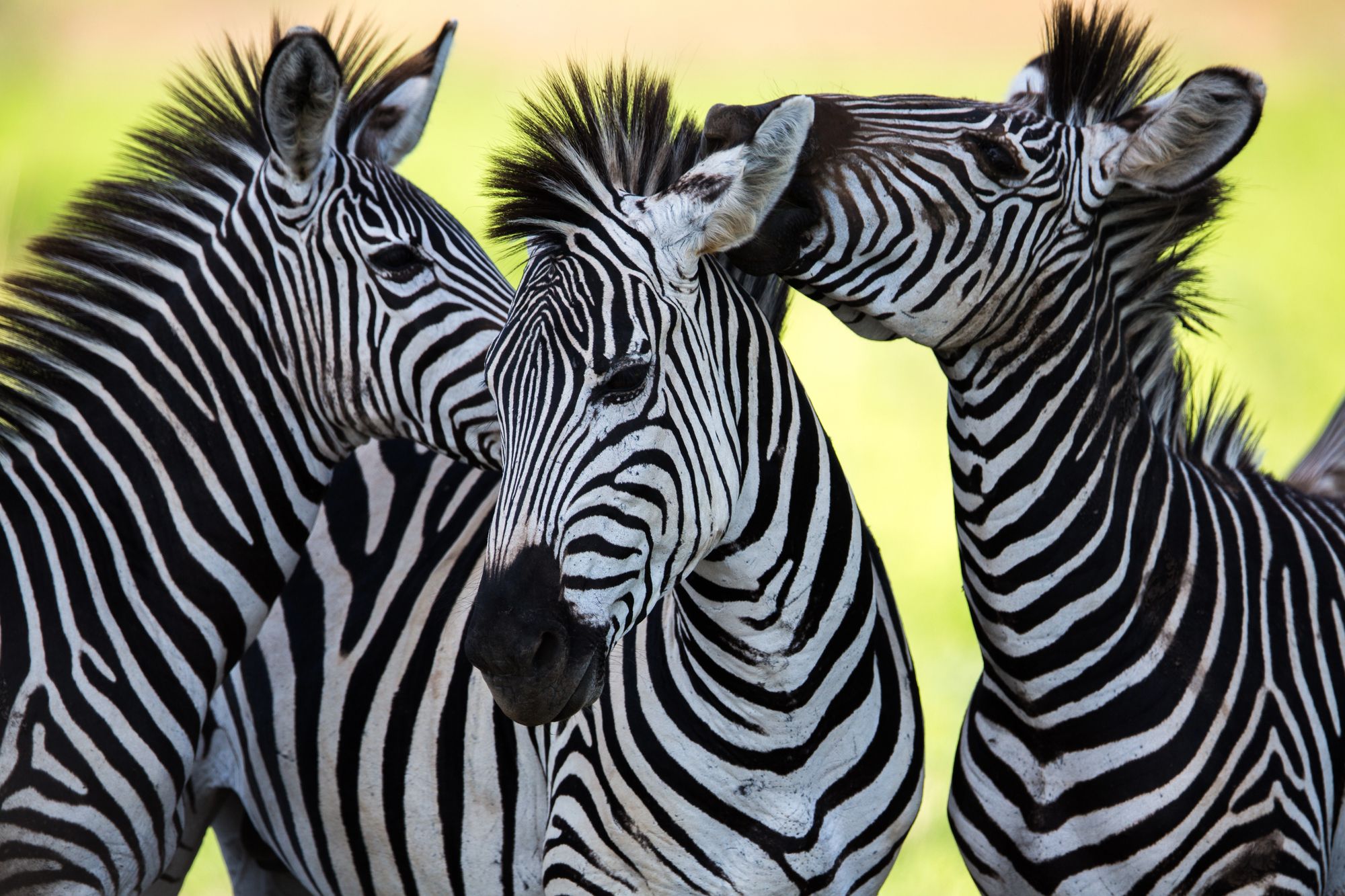
The Kalahari and the pans
Enormous, dry and utterly unlike the rest. Desert-adapted species, meerkats, and a green season that transforms the pans.
The second tripThe fact that reorganises everything
The Delta floods in the dry season
The Okavango’s water does not come from Botswana’s rain. It falls in the Angolan highlands months earlier and takes that long to travel down, so the Delta is at its fullest during Botswana’s dry, cool months.
That single fact explains the shape of the whole country’s season. The best water months in the Delta coincide with the months when game concentrates around water everywhere else, which is why Botswana’s peak is so firmly peak — and why the shoulder either side is where the value quietly sits.
Almost nobody is told this before they book, and it changes which region belongs in which part of a trip.
- Delta water is highest broadly mid-year, in the dry season
- Linyanti and Chobe are at their best in the same dry months
- The Kalahari and the pans run the opposite way — green season is their season
- Shoulder months carry most of the benefit at a fraction of the peak rate
Free download
Four Regions
The four Botswanas, what each is actually good at, and the month-by-month picture that decides which ones belong in your trip.
- Why "Botswana" is four safaris
- The Okavango Delta
- The Linyanti and Selinda
- Chobe
- The Kalahari and the pans
- The counterintuitive flood
- Which months suit which region
- How to combine two or three
- What it costs, and why
No cost, no obligation. We ask for an email so we can send it and, if you want it, follow up once.
Before you ask
Questions about where to go in Botswana
Do I have to go to the Okavango?
No, though most first trips should include it — it is genuinely unlike anywhere else, and the water activities have no substitute in the other regions.
But a trip built entirely of Delta camps can end up repeating itself. A water camp paired with a dry concession such as the Linyanti gives you two different kinds of day rather than the same day twice.
Is Chobe worth including?
As a first or last stop attached to Victoria Falls, frequently yes — the elephant along the river in the dry months are remarkable and it is the most accessible corner of the country.
As the heart of a trip, less so. Chobe National Park is public land: no off-road driving, no night driving, and no cap on vehicles or boats at a sighting. In peak season the riverfront carries real traffic.
When should we go?
For the Delta at its fullest and for game concentrated around water, broadly the dry mid-year months — which is also when prices and vehicle numbers are highest.
For the Kalahari and the pans it runs the other way: the green season, when the rain transforms the grassland and draws zebra and the predators behind them. The shoulder months either side of peak carry most of the benefit at a good deal less.
How many regions should one trip have?
Two for eight to ten nights, three for twelve or more. Every move in Botswana is a light aircraft leg, and each one costs the better part of a day.
The hardest-working pairing is a water-based Delta camp with a dry land concession, because the activities are genuinely different rather than a variation on each other.
Who actually arranges my safari?
This site is a planning guide. When you send an enquiry it goes to Nomad Africa, our partner travel agency in Kenya, who prepare your itinerary and quote and handle the booking, the payments and you on the ground.
You deal with one team from the first email to the airport transfer home.
Start planning
Tell us your dates and what you want to see
Those two together decide the regions, because Botswana’s seasons pull in opposite directions — the Delta and the Kalahari are at their best in different halves of the year.
Our Botswana specialist replies within 24 hours with the regions that suit, named camps, and an itemised price.
- Regions chosen for your actual dates, not for a brochure season
- Water camps and land camps distinguished, because it decides your days
- Flights and park fees itemised rather than bundled
- No deposit to see a plan, and no obligation at any point
Who answers
Nomad Africa, our partner travel agency in Nairobi, builds and prices every itinerary we send. You deal with one team, on the ground, for the whole trip.
Licence and membership numbers appear here once filled in at
shared/placeholders.mjs → partner. Nothing is claimed until it is verified.
Get your tailored itinerary and quote
Our Botswana specialist replies within 24 hours with a costed plan built around your dates.
More from our Botswana guides
Specialist guides across our Botswana network
Each of these is a focused guide we publish. Same Botswana specialist behind every enquiry.