The interior
The region that runs the opposite way round
Everything else in Botswana peaks in the dry months. The Kalahari and the pans come alive when the rain arrives.
What is there
The Central Kalahari — one of the largest protected areas in Africa — and, to its north-east, the Makgadikgadi salt pans: a vast, flat, pale expanse that was once a lake.
Neither looks like a safari destination from a photograph of the dry season, which is part of why so few first-time visitors go.
The green season transformation
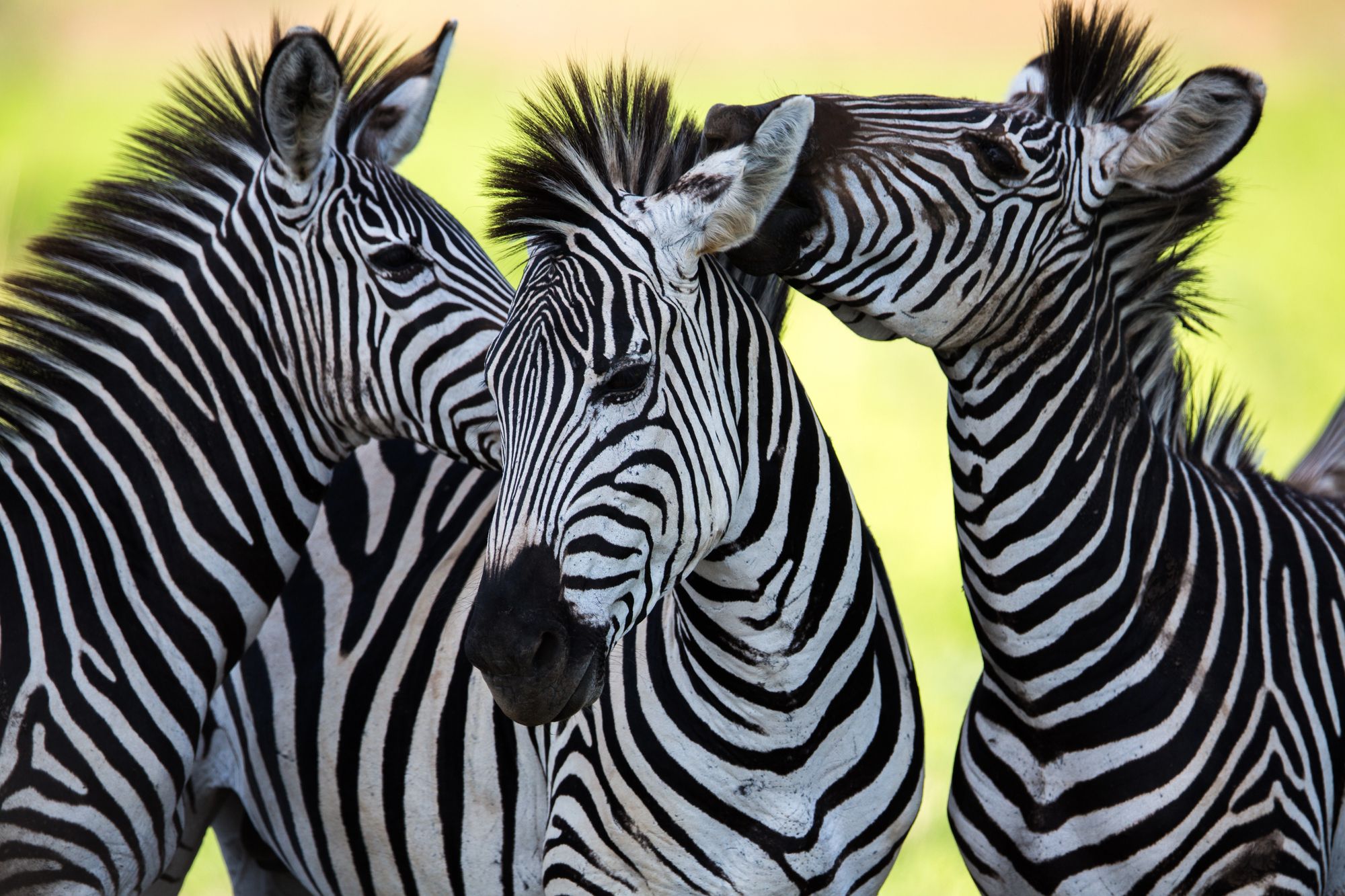
When the rain arrives the pans and the surrounding grassland change completely. Grass comes up across ground that was bare, zebra move in numbers, and predators follow them.
This is the same period when the Delta is at its lowest water and much of the rest of the country is at its quietest for game. The two halves of Botswana are genuinely counter-cyclical, which is a rare and useful thing in trip planning.
What the region does that the others cannot
- Desert-adapted species — oryx, springbok, brown hyena, bat-eared fox — that do not occur in the Delta.
- Meerkats, habituated at some camps to the point where they will use a person as a lookout post, which is as delightful as it sounds.
- Horizon. The pans offer a flatness and emptiness that is genuinely disorienting and that photographs unlike anywhere else.
- Quad biking and sleeping out on the pans, where the camps and the season permit it.
- San guiding, where camps work with local communities — walks that are about tracking and plant use rather than about finding big animals.
Honestly, the limits
In the deep dry months the Central Kalahari is very quiet for game, and it takes a particular kind of traveller to enjoy that. It is not a first-safari region and it does not pretend to be.
Distances are large, some camps are simple by Botswana standards, and the flying can be long. Every one of those is a fair price for what it offers, and none of them should be a surprise.
Who it is for
Second and third Botswana trips. Green-season travellers, who get the best of it and the best rates of the year at the same time. Photographers, for the horizon and the light. And anyone who has had enough of savanna and wants something genuinely other.
How it combines
With the Delta, as a contrast — water and sand within one country, which is the most extreme pairing Botswana offers.
Or as the whole of a green-season trip, when the Delta is low and the pans are at their best. That version is considerably cheaper than a peak-season Botswana trip and is the country’s best-kept value.
Ready to turn this into a real itinerary?
Send us your dates, who is travelling and roughly what you want to spend per person per night. Our Botswana specialist comes back within 24 hours with a plan built around them and a costed quote.